
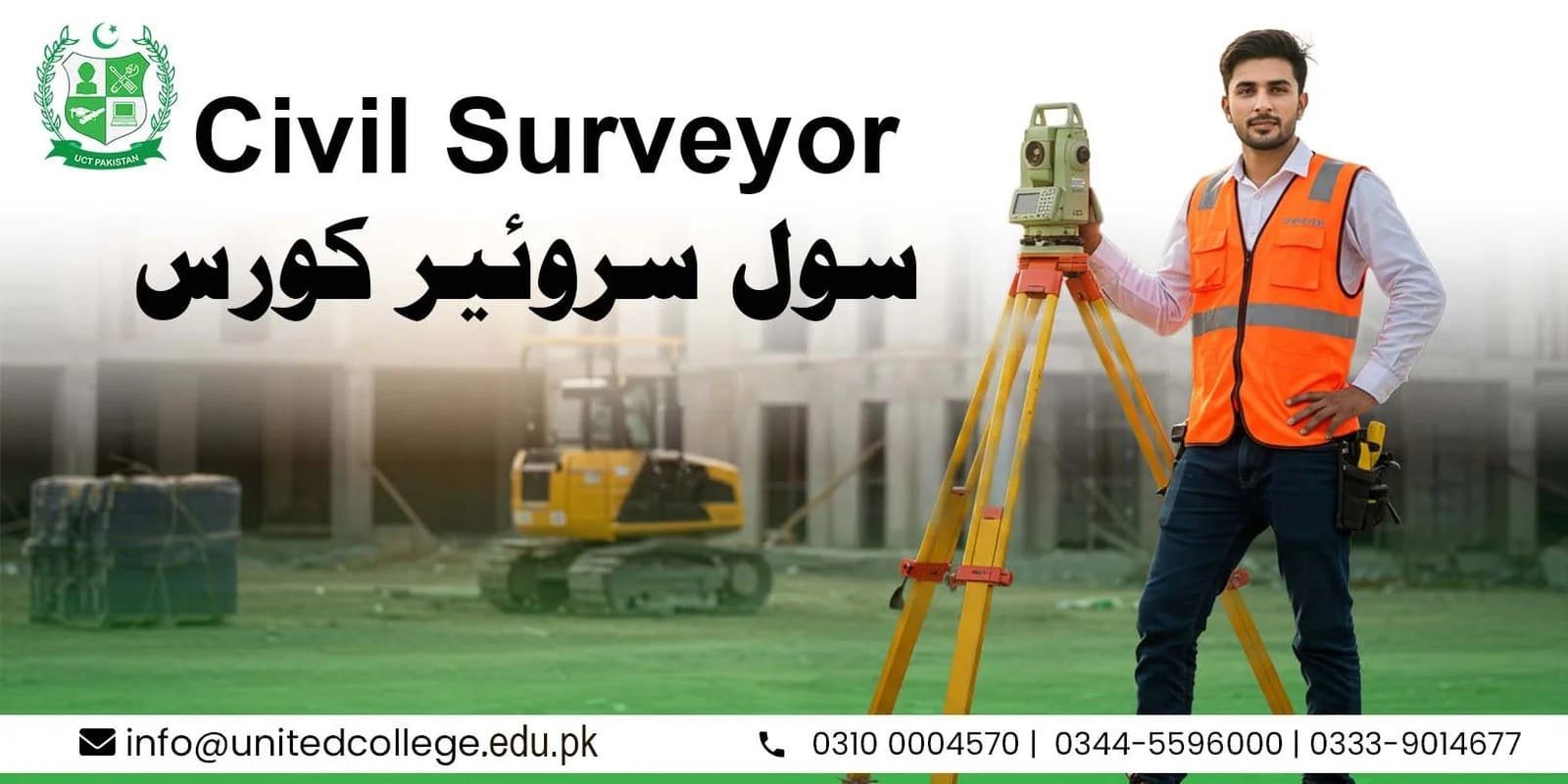
Essential Skills Every Civil Surveyor Should Develop
Building the Skills for Success in Civil Surveying
Civil surveying is a vital profession in the construction and engineering industry. Every successful infrastructure project begins with accurate land measurements and detailed site analysis. Civil surveyors are responsible for collecting precise data that engineers, architects, and contractors use throughout the planning and construction process.
To perform these responsibilities effectively, surveyors need more than technical knowledge. They must also develop practical, analytical, and communication skills that help them work efficiently in the field and office. As technology continues to evolve, employers increasingly seek professionals who can combine traditional surveying techniques with modern digital tools.
Why Skills Matter in Civil Surveying?
Civil Surveying requires a high level of accuracy because even a small measurement error can lead to costly construction mistakes. Skilled surveyors help projects remain safe, efficient, and compliant with design specifications. Strong technical and professional skills also improve teamwork, productivity, and career growth.
Developing the right abilities allows surveyors to handle complex projects with confidence while adapting to new technologies and industry standards.
Technical Knowledge of Surveying Principles
A civil surveyor should have a strong understanding of the basic principles of surveying. This includes learning how to measure distances, angles, elevations, and coordinates accurately. Knowledge of topographic surveys, boundary surveys, construction layout, and leveling forms the foundation of professional surveying work.
Without a solid understanding of these concepts, it becomes difficult to produce reliable survey data.
Proficiency with Surveying Equipment
Modern surveyors use advanced equipment to improve measurement accuracy and efficiency. Every civil surveyor should learn how to operate tools such as:
- Total Stations
- GPS Survey Equipment
- Digital Levels
- Theodolites
- Laser Distance Meters
- Surveying Drones
Understanding equipment calibration, maintenance, and proper operation ensures reliable field measurements while reducing errors.
Strong Mathematical Skills
Mathematics plays an important role in civil surveying. Surveyors regularly perform calculations involving distances, elevations, angles, coordinates, and land areas.
Strong mathematical abilities help surveyors:
- Calculate measurements accurately
- Verify survey results
- Prepare layout plans
- Reduce calculation errors
- Improve project accuracy
Even with modern software performing many calculations, mathematical knowledge remains essential.
Attention to Detail
Precision is one of the most valuable qualities of a successful surveyor. Small mistakes during data collection can create major problems during construction.
Surveyors must carefully:
- Record field observations
- Check instrument settings
- Verify measurements
- Review calculations
- Maintain accurate documentation
Attention to detail helps maintain the quality and reliability of survey work.
Communication Skills
Civil surveyors work closely with engineers, architects, project managers, contractors, and clients. Good communication ensures everyone understands survey findings and project requirements.
Effective communication includes:
- Writing clear reports
- Explaining technical information
- Listening carefully to project instructions
- Coordinating with construction teams
- Presenting survey data professionally
Strong communication reduces misunderstandings and improves teamwork.
Problem-Solving Ability
Every construction site presents unique challenges. Weather conditions, difficult terrain, equipment issues, or unexpected obstacles may affect survey work.
Successful surveyors remain calm and develop practical solutions while maintaining measurement accuracy. Good problem-solving skills improve project efficiency and reduce delays.
Computer and Software Skills
Modern civil surveying depends heavily on digital technology. Surveyors should become familiar with the software used for mapping, drafting, and data analysis.
Common software includes:
- AutoCAD
- Civil 3D
- GIS applications
- Survey processing software
- Data collection applications
Learning these programs allows surveyors to process information quickly and produce professional project drawings.
Physical Fitness and Field Readiness
Surveying often requires working outdoors for long hours in different weather conditions. Surveyors may walk across rough terrain, carry equipment, and spend extended periods standing.
Maintaining physical fitness helps surveyors perform fieldwork safely and comfortably while remaining productive throughout the day.
Time Management Skills
Construction projects follow strict deadlines. Surveyors must complete measurements, prepare reports, and deliver accurate information on time.
Good time management helps surveyors:
- Meet project schedules
- Organize daily tasks
- Prioritize important work
- Reduce unnecessary delays
- Improve overall productivity
Efficient planning contributes to successful project completion.
Adaptability to New Technology
Surveying technology continues to improve rapidly. GPS systems, drones, laser scanners, and digital mapping software have transformed the profession.
Surveyors who continue learning new technologies remain competitive in the job market and can contribute to more efficient construction projects.
A willingness to adapt is one of the most valuable long-term career skills.
Commitment to Safety
Civil surveyors frequently work around construction machinery, roads, excavation sites, and elevated structures. Understanding workplace safety procedures helps prevent accidents and protects both surveyors and construction workers.
Essential safety practices include:
- Wearing personal protective equipment (PPE)
- Following site safety rules
- Inspecting equipment before use
- Remaining aware of site hazards
- Communicating with construction crews
Safety awareness is an important professional responsibility.
Continuous Learning and Professional Growth
The construction industry constantly introduces new technologies, regulations, and surveying methods. Successful surveyors invest in continuous learning to improve their knowledge and stay current with industry developments.
Students interested in building these practical and technical skills can benefit from the Civil Surveyor training, which gives practical experience with modern surveying instruments while preparing learners for real-world construction projects.
Developing Skills for a Successful Career
Civil surveying is a profession that combines technical expertise, practical experience, and continuous learning. From mastering surveying equipment and mathematical calculations to developing communication, problem-solving, and safety awareness, each skill plays an important role in delivering accurate and reliable survey results. As construction projects become more complex and technology continues to evolve, skilled civil surveyors remain essential to successful project planning and execution. By continuously improving these abilities, aspiring professionals can build rewarding careers and contribute to high-quality infrastructure development.








0 Comments